
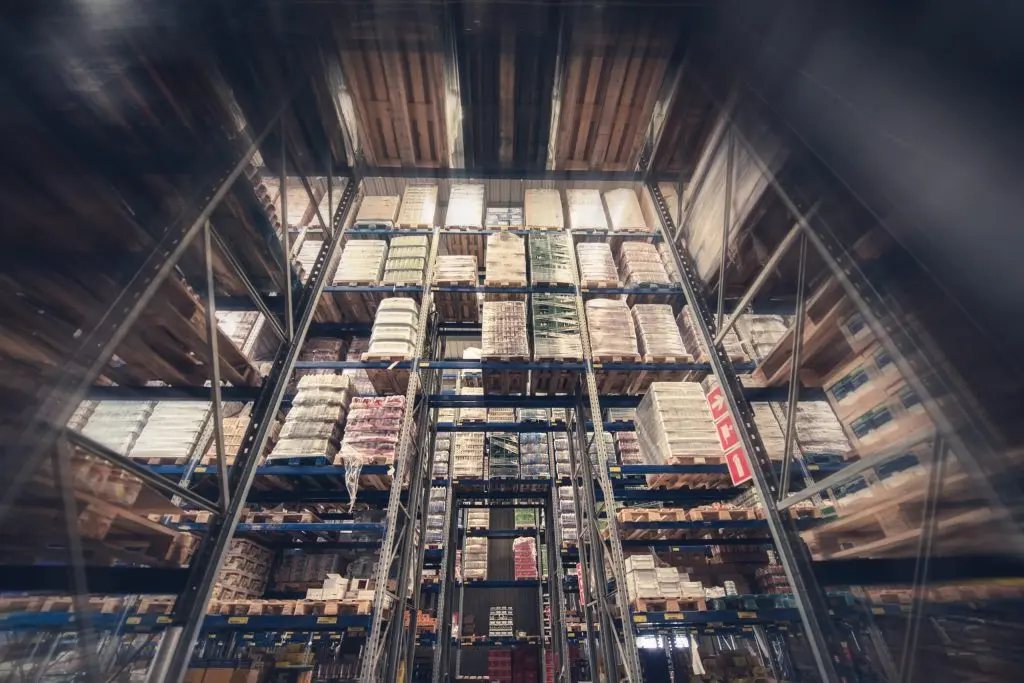
Running out of inventory on Amazon FBA is more than just a minor inconvenience—it’s a critical issue that can significantly impact your business. Shockingly, about 50% of Amazon FBA sellers experience stockouts at least once a year. This isn’t just a statistic to gloss over; it’s a call to action for sellers to get their inventory management strategies in check.
The Fallout from Inventory Shortages
When you run out of stock on Amazon, the immediate effects are glaringly obvious: you lose sales. However, the repercussions extend far beyond that. A stockout can damage your seller rank, frustrate potential customers, and even affect other areas of your business. In the world of e-commerce, especially on a platform as competitive as Amazon, these consequences can ripple out and have a serious impact.
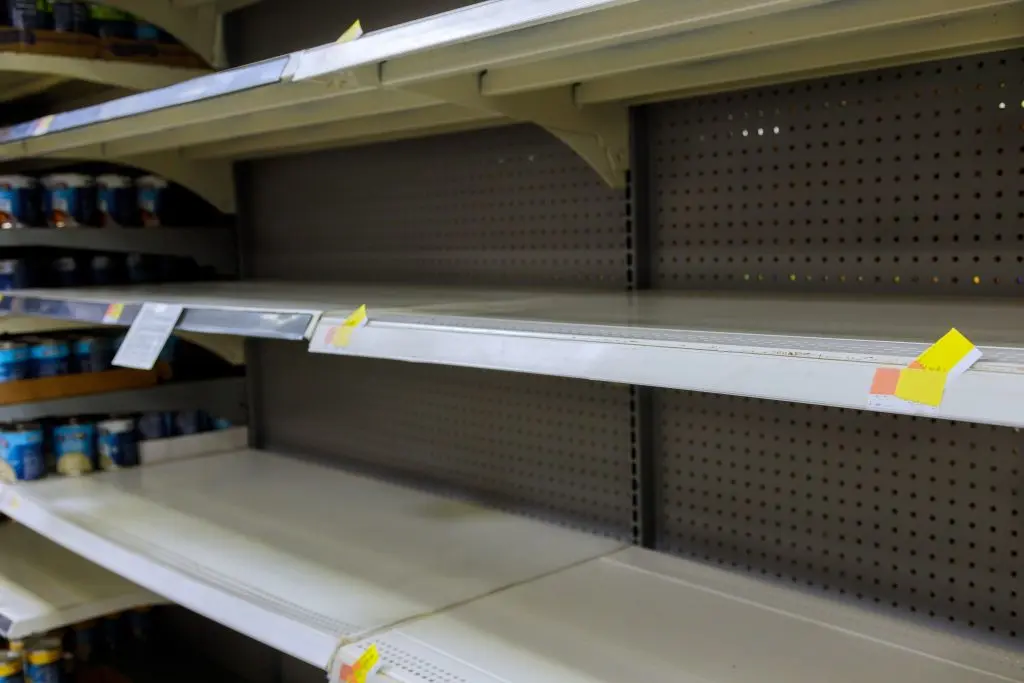
Why Do Stockouts Happen?
Understanding why you might run out of inventory is the first step toward preventing it. Here are a few common culprits:
- Underestimating Demand: Predicting how much inventory you’ll need can be tricky. If your demand estimates are off, you might find yourself scrambling to restock while losing sales.
- Logistical Issues: Sometimes, the problem isn’t with Amazon itself but with getting products into their warehouses. Shipping delays or supply chain disruptions can leave you with empty shelves.
- Production Delays: Unexpected issues in manufacturing can leave you without stock just when you need it most.
Strategies to Prevent Stockouts
So, how can you avoid these pitfalls and keep your inventory levels stable? Here are some key strategies:
- Effective Inventory Management: Utilize inventory management software or, if you prefer a more hands-on approach, maintain a detailed Excel file. Track lead times, shipping schedules, and delivery estimates. Ensure you’re also accounting for Amazon’s storage limits and fees.
- Accurate Demand Forecasting: Keep a close eye on trends and adjust your forecasts accordingly. Be prepared for peak sales periods by maintaining a buffer stock to cover high-demand days.
- Minimize Fees: Be aware of the new Amazon fees related to inventory levels. These fees can apply if you hold too much or too little stock, so balance your inventory to avoid unnecessary costs.
- Monitor Organic Search Ranking: Running out of stock can affect your listing’s organic search ranking. Once you’re back in stock, it might take time to regain your previous search position.
The Long-Term Impact
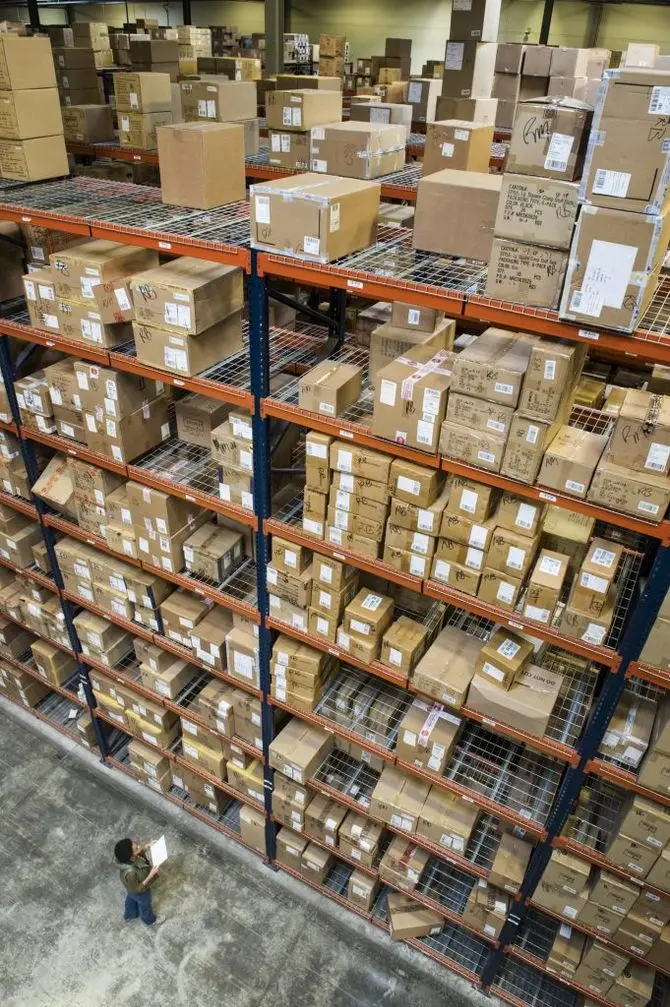
Stockouts can have long-term effects on your Amazon business. Losing your spot in search rankings can affect your visibility and sales, while paying unnecessary fees can erode your profits. Staying proactive and implementing these strategies can help mitigate these risks and set your business up for long-term success.
By taking these proactive measures, you can avoid the pitfalls of running out of inventory and keep your Amazon FBA business running smoothly.