

When navigating the vast world of e-commerce, especially on platforms like Amazon, understanding the nuances of product barcodes can make a significant difference in how efficiently you manage your inventory. If you’ve ever felt puzzled by the choice between Amazon barcodes and manufacturer barcodes, you’re not alone. Let’s break down the essential facts to help you make informed decisions for your brand.
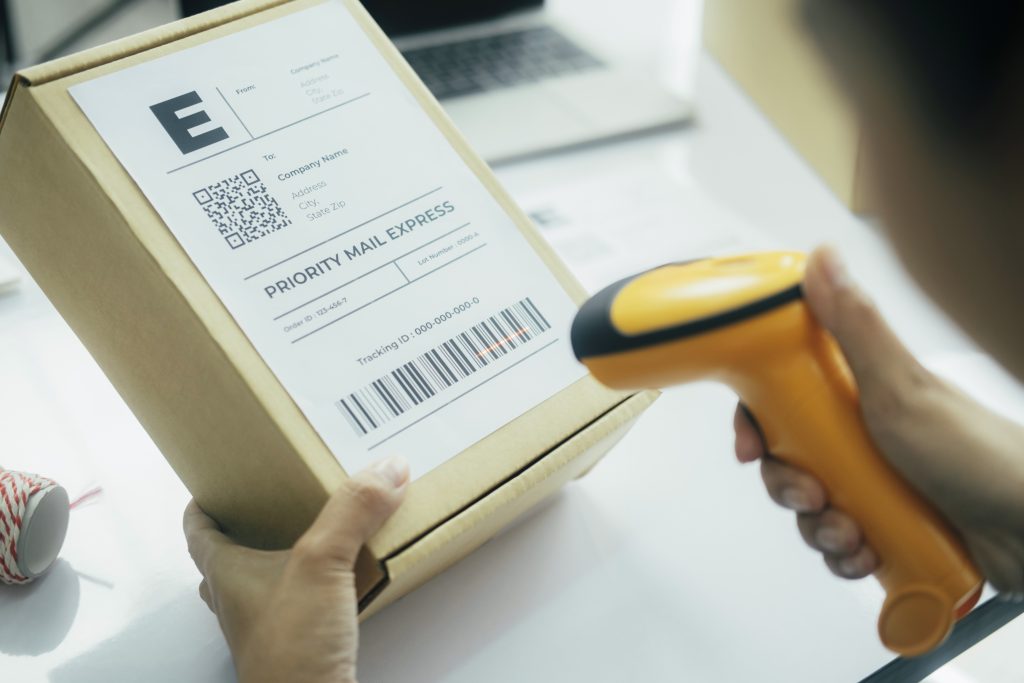
What Are Amazon Barcodes and Manufacturer Barcodes?
Amazon Barcodes are specific to Amazon’s platform. Assigned by Amazon, these barcodes are used primarily to streamline inventory management within Amazon’s fulfillment centers. Typically, these barcodes consist of a mix of letters and numbers, uniquely identifying products in Amazon’s system.
On the other hand, Manufacturer Barcodes are globally recognized codes such as UPCs (Universal Product Codes) or EANs (European Article Numbers). These barcodes are used broadly across various retailers and are not exclusive to Amazon. They help in identifying products universally, regardless of the sales platform.
When to Use Each Barcode
Understanding when to use Amazon barcodes versus manufacturer barcodes can impact your inventory management and product visibility on Amazon.
- Amazon Barcodes: If you have a product that is exclusive to Amazon—perhaps a unique size or variant that isn’t available elsewhere—using Amazon barcodes can be a strategic choice. This ensures that only Amazon handles and sells this specific product variant, minimizing the risk of it being resold through other channels.
- Labeling Options:
- Self-Labeling: Print and apply Amazon barcodes yourself before shipping your products to Amazon’s warehouses.
- Amazon Labeling Service: Pay Amazon to label your products. This can be more expensive but is useful if your logistics provider doesn’t handle labeling.
- Print Directly on Packaging: Larger brands often print Amazon barcodes directly onto product packaging. This method eliminates the need for separate labeling and can be a long-term solution for Amazon-exclusive products.
- Labeling Options:
- Manufacturer Barcodes: When your product listing on Amazon matches the manufacturer’s UPC or EAN, using manufacturer barcodes simplifies inventory management. This method connects your product directly to its listing in Amazon’s catalog, easing the scanning process at fulfillment centers.
- Virtual Tracking: With manufacturer barcodes, Amazon uses virtual tracking (formerly commingling) to trace your product. This means that although your product might be stored alongside similar products from other sellers, it will be shipped based on proximity to the customer, not mixed with other sellers’ inventory.
Additional Considerations
- Pricing and Buy Box: If you use manufacturer barcodes, ensure that your listed price aligns with other online prices. Amazon’s algorithms check competitor pricing, and discrepancies might affect your Buy Box status.
- Brand Control: If unauthorized sellers are listing your products, or if you’re concerned about counterfeit products, exploring Amazon’s Transparency Program could be beneficial. This program helps maintain control over your product listings and ensures that only genuine products are sold under your brand.
Conclusion
Choosing between Amazon barcodes and manufacturer barcodes involves understanding your product strategy and how you want to manage inventory on Amazon. While Amazon barcodes offer streamlined handling for Amazon-specific sales, manufacturer barcodes provide universal recognition across various retail platforms. Evaluating your needs and leveraging the appropriate barcode can enhance your efficiency and control within Amazon’s ecosystem.
Happy selling!